
Digital marketing has undergone a remarkable transformation over the past ten years, reshaping how businesses connect with their audiences. From basic banner ads and email campaigns to sophisticated AI-driven personalization and omnichannel strategies, the landscape of digital marketing in 2025 is drastically different from what it was in 2015. Understanding this evolution provides valuable insights for marketers aiming to stay competitive in an ever-changing environment.

The Early 2010s: Foundations of Digital Marketing
In the early part of the decade, digital marketing was primarily focused on email marketing, search engine optimization (SEO), and pay-per-click (PPC) advertising. Social media platforms such as Facebook, Twitter, and LinkedIn were gaining traction as viable marketing channels, but many companies were still figuring out how to leverage them effectively. Content marketing was in its nascent stages, often limited to blogs and basic web content aimed at improving SEO rankings.
Mobile optimization was just beginning to be recognized as essential, with Google rolling out its mobile-friendly update in 2015, emphasizing the importance of mobile-responsive websites. However, many brands still prioritized desktop users, missing out on a growing segment of mobile traffic.
The Rise of Social Media and Video Content
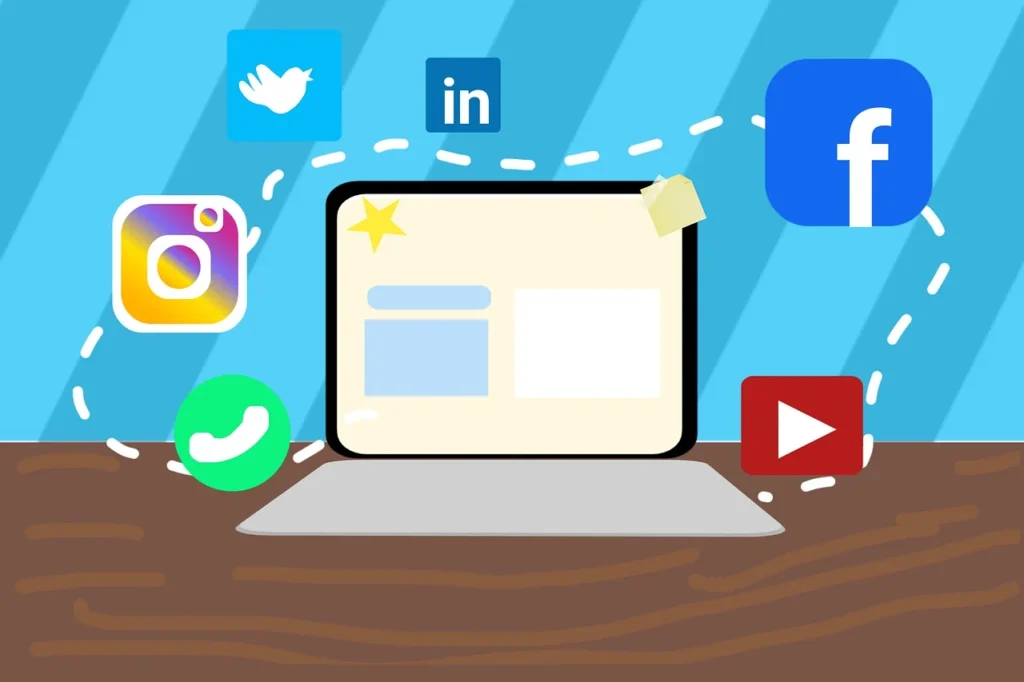
As social media platforms matured, the mid-to-late 2010s saw exponential growth in their use for marketing purposes. Instagram and YouTube emerged as major players, shifting focus toward visual and video content. Facebook’s advertising platform became more sophisticated, offering detailed targeting options based on user demographics, interests, and behavior. Influencer marketing began to take off, with brands collaborating with influential personalities to reach niche audiences more authentically.
Video content, especially short-form videos, gained popularity as internet speeds increased and mobile usage skyrocketed. The rise of platforms like TikTok from 2018 onward revolutionized content consumption, emphasizing creativity and engagement in bite-sized formats. Marketers quickly adapted, integrating video into their strategies to capture the attention of increasingly distracted consumers.
Data-Driven Marketing and Personalization
By the late 2010s and early 2020s, the availability of big data and advances in analytics technology transformed digital marketing into a highly data-driven discipline. Marketers began utilizing customer data platforms (CDPs) and sophisticated analytics tools to track consumer behavior and campaign performance in real-time.
Personalization became a central theme. Rather than generic ads and messages, marketers crafted personalized campaigns tailored to individual preferences and behaviors. Email marketing evolved into dynamic, segmented campaigns that delivered relevant content based on user actions. Retargeting and programmatic advertising allowed brands to efficiently allocate budgets and maximize ROI by reaching audiences who had shown interest but not converted.
The AI Revolution and Automation
The past few years have witnessed an increasing integration of artificial intelligence (AI) and machine learning into digital marketing. AI-powered tools now automate many tasks that used to require manual effort, such as content creation, customer support via chatbots, and predictive analytics for forecasting trends and customer needs.
AI has also enabled hyper-personalization at scale. Algorithms analyze vast amounts of data to deliver individualized experiences in real-time, whether through personalized product recommendations on e-commerce sites or dynamically tailored ads on social media.
Moreover, marketing automation platforms have become indispensable. They streamline campaigns from lead generation to customer retention, allowing marketers to focus on strategy and creativity rather than repetitive processes.
Omnichannel Experiences and Emerging Technologies
The current digital marketing paradigm revolves around creating seamless omnichannel experiences, where customers can interact with brands effortlessly across multiple touchpoints—websites, apps, social media, email, and even offline channels. Integration of these channels helps maintain consistent messaging and nurtures stronger customer relationships.
Emerging technologies like augmented reality (AR), virtual reality (VR), and voice search are beginning to influence marketing strategies. Brands use AR for immersive shopping experiences, while voice search optimization is becoming crucial with the rise of smart speakers and voice assistants.
Looking Ahead
The last decade’s evolution shows that digital marketing is increasingly sophisticated, personalized, and integrated. Marketers who embrace innovation, leverage data responsibly, and focus on customer experience will thrive. As technology continues to advance, staying adaptable and continually learning will be key to navigating the next phase of digital marketing’s journey.